
By Chessa Mason
Colorado Realtor · Buyer & Seller Specialist
Metro Districts in the South Denver Metro: What Buyers Should Know
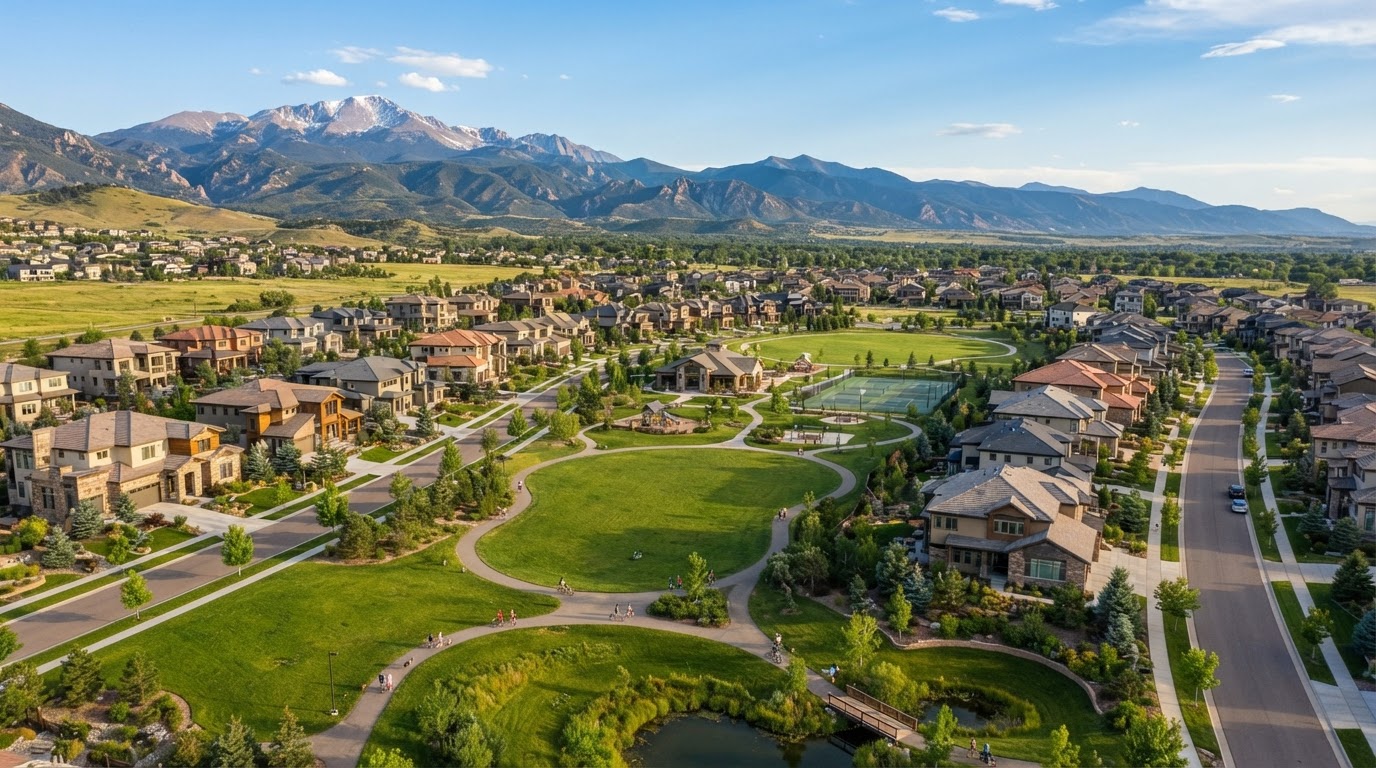
If you're shopping for a home in Highlands Ranch, Parker, Castle Rock, or many of the newer neighborhoods across Douglas County, you'll likely see the words "metro district" in a listing or disclosure. Metro districts are a big part of how the South Denver Metro was built, and they affect your property taxes. Here's what buyers should understand before making an offer.
Quick Answer
A metropolitan district, or metro district, is a special district that pays for infrastructure and amenities like roads, utilities, parks, and trails in many Colorado communities. It charges its own property tax, called a mill levy, on top of county, city, and school taxes. Colorado law requires sellers of homes in a metro district, new or resale, to give buyers a disclosure about the district and its taxes.
What is a metro district?
A metro district is a type of special district created under Colorado law to fund, build, and sometimes maintain public infrastructure in a community.
When a new neighborhood is developed, someone has to pay for the streets, water and sewer lines, drainage, and parks. Metro districts often issue bonds to pay for that work, then repay them over time through property taxes on the homes inside the district. Some districts also maintain amenities over the long term.
Highlands Ranch is a well-known example. The Highlands Ranch Metro District maintains many of the community's parks, trails, and open spaces.
How does a metro district affect your property taxes?
It adds another line to your property tax bill.
In Colorado, property taxes are based on mill levies set by each taxing authority. If a home is in a metro district, the district's mill levy is added to the county, city, and school district levies. That can mean a higher total tax rate than a similar home outside a metro district.
Mill levies vary widely between districts, so two homes at similar prices in different neighborhoods can have very different tax bills.
What do sellers have to disclose?
Colorado has strengthened its disclosure rules in recent years.
Since 2022, sellers of newly built homes in a metro district have had to give buyers a written disclosure with information about the district, including an estimate of the home's property taxes.
In 2025, Colorado passed a law extending those disclosure requirements to sellers of residential property within a metro district, whether the home is new construction or a resale. That means buyers of existing homes in places like Highlands Ranch, Parker, and Castle Rock now receive key information about the district too.
What should buyers check before making an offer?
Make the metro district part of your budget from the start.
- Read the disclosure carefully. Look at the district's current mill levy, the maximum mill levy it's allowed to charge, and the estimated taxes for the home.
- Visit the district's website. Metro districts share information online, including budgets, meetings, and contact details.
- Compare the total monthly cost. Ask your lender to include property taxes, HOA dues, and any district fees, not just the mortgage payment.
- Ask questions early. If something isn't clear, ask before your contract deadlines pass.
Is a metro district a bad thing?
Not at all. Metro districts are how many of the most popular South Denver Metro neighborhoods got their trails, parks, and amenities.
The key is knowing your full cost of ownership. When you understand the district taxes and HOA dues up front, you can compare homes clearly and choose with confidence.
The Bottom Line
Metro districts are common across the South Denver Metro, especially in Douglas County, and they add their own mill levy to your property taxes. Colorado law now requires sellers of homes in a metro district, new or resale, to provide a disclosure about the district and its taxes. Read it carefully, compare total costs across homes, and build the district taxes into your budget before you make an offer.
Frequently Asked Questions
Q: What is a metro district in Colorado?
A: It's a special district created under Colorado law to fund and build public infrastructure, such as roads, utilities, parks, and trails, often repaid through property taxes on homes within the district.
Q: Is Highlands Ranch in a metro district?
A: Yes. The Highlands Ranch Metro District maintains many of the community's parks, trails, and open spaces. Check the disclosure for any specific home to see which districts apply.
Q: Do sellers have to disclose a metro district in Colorado?
A: Yes. Sellers of newly built homes have had disclosure requirements since 2022, and a 2025 law extended them to sellers of residential property in a metro district, including resales.
Q: Do metro districts increase property taxes?
A: Yes. A metro district charges its own mill levy, which is added to the county, city, and school district levies on your property tax bill.
Keep Learning
Ready to Find Your South Denver Metro Home?
Comparing homes in Highlands Ranch, Parker, Castle Rock, or nearby? I'll help you understand the full cost of ownership, metro district taxes included, before you make an offer.
Related Articles

Unexpected Factors That Can Sabotage Your Credit Score
Preparing to buy a home? Learn the surprising credit score saboteurs—from closing old cards to co-signing loans and business credit.
Read Article
South Denver Suburbs Commute Comparison: Which One Fits Your Lifestyle?
Comparing the five most popular south Denver suburbs for commuters: Highlands Ranch, Littleton, Centennial, Englewood, and Parker.
Read Article