

Chessa Mason
Colorado Realtor · Buyer & Seller Specialist
Unexpected Factors That Can Sabotage Your Credit Score

If you're in the market for a new home and considering a mortgage, it's important to understand that your credit score plays a significant role in determining your buying power and the terms of your loan. While you might already be aware that late or missed credit card payments can harm your credit score, there are other surprising factors that can influence it. Here's a list of these unexpected credit score saboteurs to ensure you're not unintentionally jeopardizing your chances of buying a home.
Closing Old Credit Card Accounts
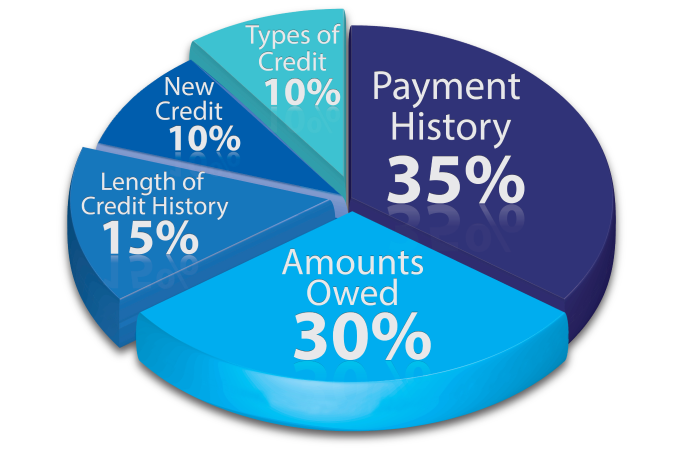
Closing unused credit card accounts can negatively affect your credit score. It can impact your debt-to-credit utilization ratio, which accounts for 30% of your credit score.
By closing an old credit card, you reduce your overall available credit, making it harder to maintain a favorable utilization ratio and diminishing your credit history's average length, which mortgage lenders value highly.

Opening a New Credit Card
Applying for a new credit card can result in a minor reduction in your credit score (up to 5 points) due to a "hard inquiry" placed on your credit report.
For individuals near the threshold of having a good or excellent credit score, this small reduction could push them into a lower credit tier, directly affecting their ability to secure the best interest rates on a mortgage.
Not Using Your Credit Cards
While responsible credit card usage is essential, letting your cards remain unused for an extended period—typically six months—can lead to the account's closure by the issuer. This unexpected closure reduces your average credit history length, harming your score.

Failing to Pay Medical Bills
Unpaid medical debt may be outsourced to third-party collection agencies, which may report your delinquency to credit bureaus, significantly impacting your credit report and overall score.
Co-Signing a Loan
Co-signing a loan makes you legally responsible for the entire debt if the primary borrower defaults or misses a payment. Even when payments are made on time, the full balance appears on your credit report and can increase your debt-to-income (DTI) ratio, limiting how much you can qualify for when buying a Colorado home.
Missing Payments on a Business Credit Card
Owners of businesses with credit cards for expenses should be aware that their business activities can directly influence their personal credit history.
Many business cards require a personal guarantee. Any default or late payment on a business credit card can be reported to personal credit bureaus, negatively affecting your score. Even applying for a business credit card can place a hard inquiry on your personal credit.

Protect Your Buying Power Before You Shop
In conclusion, it's crucial to be aware of these lesser-known factors that can impact your credit score when preparing to purchase a home. Taking proactive steps to manage and improve your credit can significantly benefit your home-buying journey in the South Denver Metro area and across Colorado.
Related Articles

5 Common First-Time Home Buyer Mistakes in Colorado and How to Avoid Them
Buying your first home in Colorado? Learn the most common mistakes first-time buyers make and how to avoid them with assistance programs, credit planning, and education.
Read Article
Buying a Home in South Denver Metro: What to Know in 2026
Discover market conditions, neighborhood options, and budgeting tips for buying a home in the South Denver Metro area.
Read Article